9.7.10

The Lycian Way (Part II)

Kekova to Myra (Demre)
On the third day we enjoyed the beaches and little islands in the Kekova region. Kekova is Turkish for the “Land of Thyme”. You have the chance to step into deserted islands and beaches where the only life sourrounding you will be the goat herds and their ringing bells.

In the afternoon we travelled to Demre and Çayağzı that is home to the ancient city of Myra “City of Light” and Church of Saint Nicholas, the birthplace of Santa Claus.

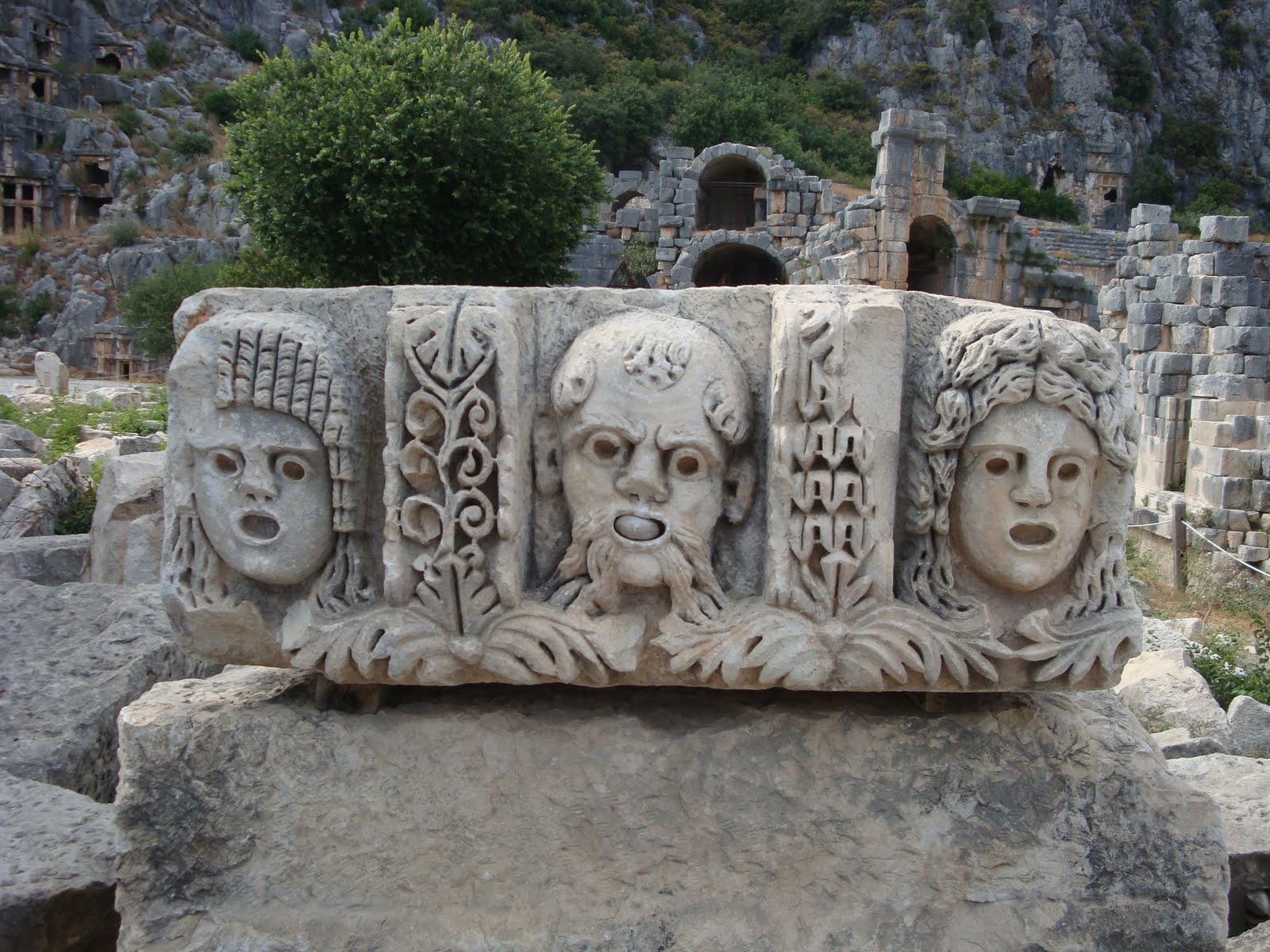
In Myra you can still visit the stone graves hidden in the hills to be closer to God, an amphitheatre that with 38 rows of seats can seat approximately 30.000 people, sculptures of Medusa and engravings.


There is no literary mention of Myra before the 1st century BC, when it is said to be one of the six leading cities of the Lycian Union. However, it is believed to date back further as the outer defensive wall have been identified to date back to 5th century BC. Be sure to eat some local produced pancakes –gözleme- and lots of fresh fish, which is abundant in the region.

Simena to Olympos
For all of you outdoor sport lovers this part of the world is a heaven. I have already mentioned the camping and the trekking opportunities. But it gets better... How about kayaking through the ancient ruins of Simena@ Kekova. This was suggested by our sister and was the highlight of our trip.

“The ancient city of Simena of the Lycian world was once of two parts - an island and a coastal part of the mainland. On the mainland the charming fishing village of Kaleköy ("castle village") stands today, its buildings mingling with ancient and medieval structures. The top of the village is dominated by a well-preserved castle built by the Knights of Rhodes partially upon ancient Lycian foundations. Inside the castle is the smallest amphitheatre of Lycia. At the eastern end of the village is a Lycian necropolis with a cluster of some very nice sarcophagi overlooking the sea and surrounded by ancient olive trees.”
Source: http://www.lycianturkey.com/lycian_sites/kekova_simena.htm

Then we headed to the city of Olympos for more adventures. Olympos is an ancient port located in a valley surrounded by a forest. You can stay at different versions of wooden bungalows, there are different establishments lined up on the street leading to the beach. The choice and price range is abundant, but for your review we stayed at Deep Green Bungalows.

Olympos to Adrasan
The former city of Olympos was founded in the Hellenistic period, presumably taking its name from nearby Mount Olympos. Olympos park and the city was very intresting to walk around with mosaics, ancient churches, sculptures, temple gates and waterways to demonstrate Roman way of life.
“The coins of the city of Olympos date back to the 2nd century BC. It was described by Cicero as an ancient city full of riches and works of art. In the 1st century BC, Olympos was invaded and settled by Cilician pirates. This ended in 78 BC, when the Roman commander Publius Servilius Isauricus, accompanied by the young Julius Caesar, took the city after a victory at sea, and added Olympos to the Roman Empire. The pirate Zenicetes set fire to his own house and perished. The emperor Hadrian visited the city after which it took the name of Hadrianopolis for a period, in his honour.”
Source: Wikipedia


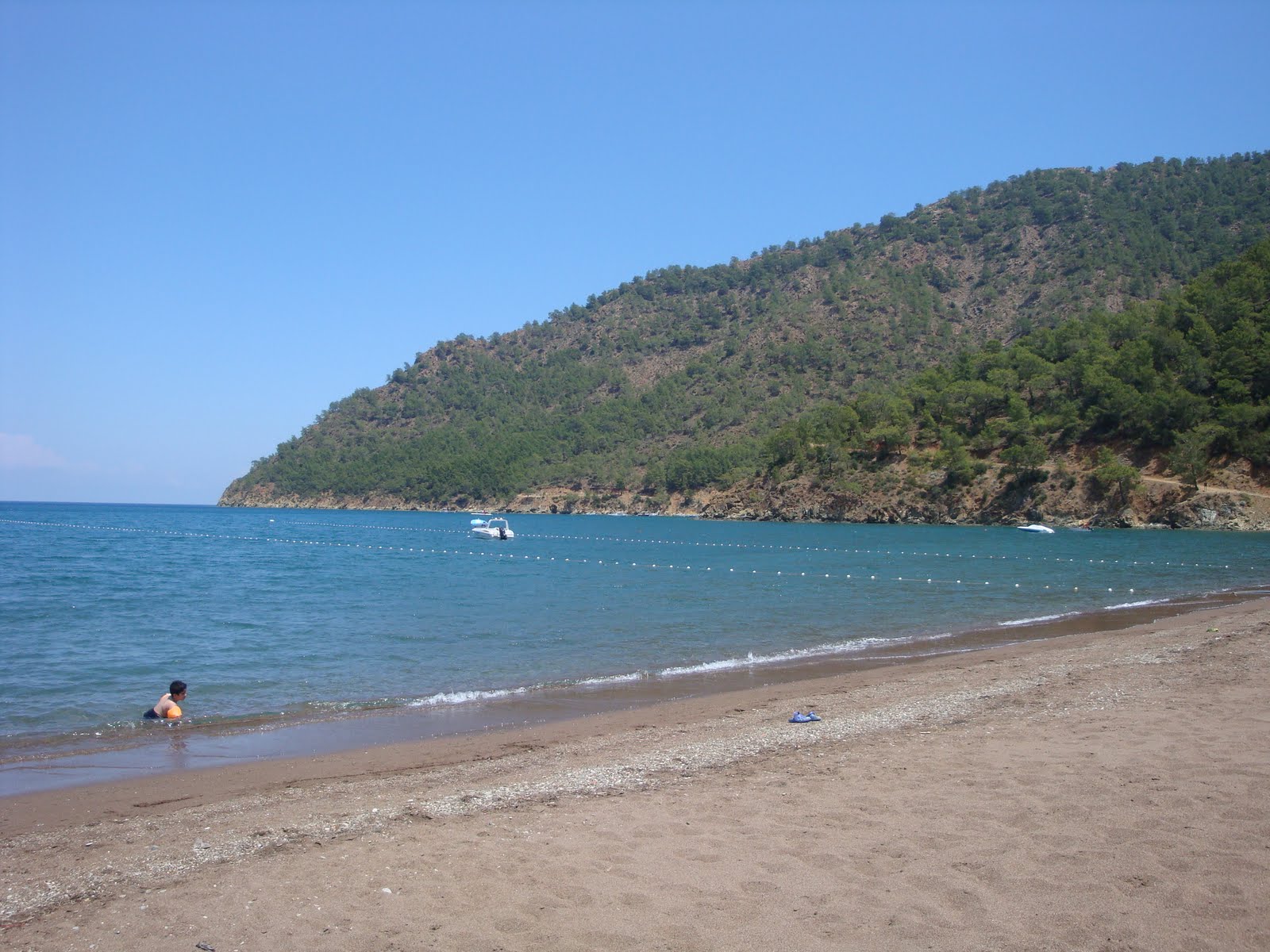
From there we headed to Adrasan. A cute hidden village located between two mountains, and a beach extending from one end to the other. This was by far our favourite spot in the whole trip. Ford Hotel is recommended for lunch or a stay, but we continued onto Patara. We stayed at the Golden Lighthouse hotel.

Patara to Fethiye
Patara the ancient trading port of Lycia is also home to a 12km long beach which was voted voted one of the top beaches in the world by Times Online.
One can be there for the whole day lazing our under the sun, having watermelon &feta cheese for lunch before realizing its 7pm and time to hand over the beach to its rightful owners: The Caretta Turtles!

With that in mind we headed to Fethiye. Now we knew we were approaching the end of our wonderful journey through the heart of the Mediterranean.We stayed at the Yacht Classic Club.

A particular recommendation to make – another one of our favourites- is to eat fish at the fish marketplace in central Fethiye, whereby you pick+buy your fish from the fishmongers located in the centre of the marketplace and sit at one of the surrounding restaurants for them to prepare it for you. Of course with some raki and mezes on the side....

Enjoy!


25.6.10

The Lycian Way (Part I)


This ancient path of approximately 500 km crosses from Fethiye to Antalya over the Mediterranean coasts of Turkey.

Originally a pathway for the Lycians - a federation of ancient cities in the region and later a province of the Roman Empire- today it is one of the best trekking and expedition routes in the world .

The Lycian League founded in 168 BC was an early federation with democratic principles; these later influenced the United States Constitution. The major cities of the League included Xanthos, Patara, Pinara, Olympos, Myra, and Tlos, with Patara as the capital. Phaselis joined the League at a later time. The league continued to function after Lycia became a Roman province in 46 AD. Lycia ceased being a federation in the fourth century AD, when it was taken over by the Byzantine Empire.


Our walking route from Kas to Kekova surrounded by essences of sage, oregano and the shades of olive trees was only a part of the main path. We made it even shorter and took a daily trip from Kas to a coast where the Uluburun architectural dig took place. (The Ulusburun shipwreck and the treasures were displayed in the Met with an exhibition called “Beyond Babylon”, today they can be seen at the Bodrum Museum of Underwater Archeology). But we ended up travelling from Fethiye to Olympos with car crossing the whole of ancient Lycia in the end.


Fethiye to Kas

After our stops at Göcek- the centre for sailing with its beautiful coasts, Ölüdeniz- the famous lagoon, we headed for Kas.

Hotel@ Kas: Lycia Club Hotel. A small boutique hotel located on the Cukurbag peninsula.

Kas is centre for diving and sea, it is located just across the Greek island of Megi. And we had the best fish and fresh almonds... highly recommended.


Kaş to Kekova

The second day consisted of trekking from Limanağzı- one of the beaches of Kas region- to the site of Uluburun shipwreck. From there, the Bayındır village we hopped into the car of one of the locals which took us back to Kaş. From Kaş it was onto Kekova region that is surrounded by green houses and valleys.This region is the heart and guts of Turkey for its fruit and vegetable plantation. The soil that is copper colour is very fertile. The juxtaposition between the hearty brown earth, blue seas and the greens of olive trees in very intimidating.

Hotel: Kekova Hotel . A cute family run small hotel with approximately 10 rooms.


The region is surrounded by carob trees. Carob and its molasses was used to replace sugar , choclate and sugarcane in the Lycian world.


Superfood: Carob

Nutrition and Health Benefits of Eating : Carob contains Gallic acid that works as an analgesic, anti-allergic, antibacterial, antioxidant, antiviral and antiseptic. Carob improves digestion and lowers cholesterol level in the blood. It is used for treating diarrhea in children and adults alike. Since it does not contain caffeine, carob benefits people with high blood pressure. Regular use of carob helps in preventing lung cancer. The vitamin E content in carob helps in treating cough, flu, anemia and osteoclasis. Carob fights against osteoporosis, due to its richness in phosphorus and calcium.


To be continued...


3.6.10

Countdown to South Africa


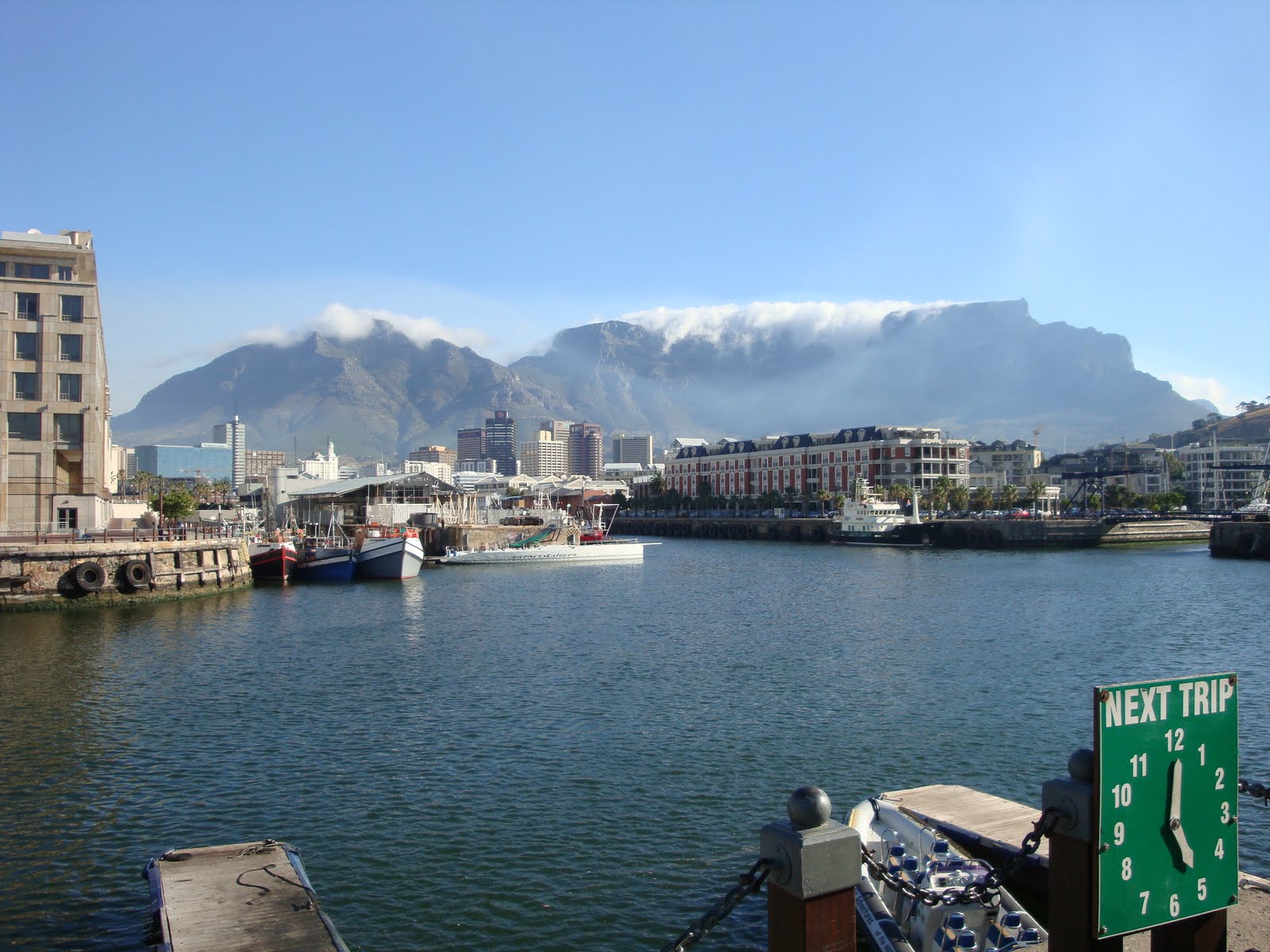
South Africa will be home to millions of football fans this June with the upcoming World Cup. When we visited last year in December the stadium was being prepared and there was a buzz and an accelerating excitement. For those that will be visiting summer here is a quick itinerary for Cape Town and the coast.

 
It is a well delayed article... But here goes:


1st day: Cape Town

 
  • Hotel recommendation for those who just want to chill out: Cape Standard
  • Sightseeing: Camps Bay and waterfront for an evening cocktail. Long Street- Khyan Yana restaurant, 267 Long street, for Game meat
2nd day: Around Cape Town

 
  • Sightseeing:
Hout Bay, Simons Town, great fishing villages. Very serene.
Cape of Good Hope Nature reserve - seafood @Two Oceans Restaurant, lots of baboons!
Table Mountain cableway and trekking at Signal Hill. On the day we were there the cableway wasn’t working due to fog, nature had its way.

 
3rd day: Cape Wineyards and Franschoek

 
  • Sightseeing: Wineyards along the way; 1. Neethlingshof 2.Blauwklippen 3. Stellenbosch
Franschoek has mini street that is great for a walk out, but all the more the whole town is covered by hills and trekking routes.
  • Hotel : Le Petite Ferme (strongly recommended)
  • Dinner: Reubens (strongly recommended)

 
4th day: Cape Wineyards and Knysdna

 
Breakfast at Le Petite Ferme is a wonderful way to start the day.

 
After breakfast we went for hiking and walks around the hills.Cabrier wineyard was very close to our hotel...

 
Wineyard: Cabriere (specializes in sparkling wine)

 
Then on the route to Knysdna ...

 
Knysdna is a small village by the sea, usually preferred for summer vacations by the locals.

 
  • Hotel: Cunninghams Island Guest House at Knysdna, Leisure Island. This is family run hotel. Very safe and quiet.
  • Dinner: Cornuti, Knydna at the enterance of harbour (Tuna Nicoise Salad recommended). I cannot forget this restaurant. Very honest very blue+white.
5th day: Knydsna/ Plettenberg Bay/Addo

 
Its a tradition to start the day by jogging at Knysna. If you don’t you’re missing out on the local way of life. Everybody is out there ages 0-80.

 
Depart to Plettenberg Bay

Lunch at Cornuti's @Plettenberg. This nice restaurant has another branch in Plettenberg Bay. This is the original one. This one is located in a hill overlooking the bay, where as the one in Knydsna is located in the entry of a canal.
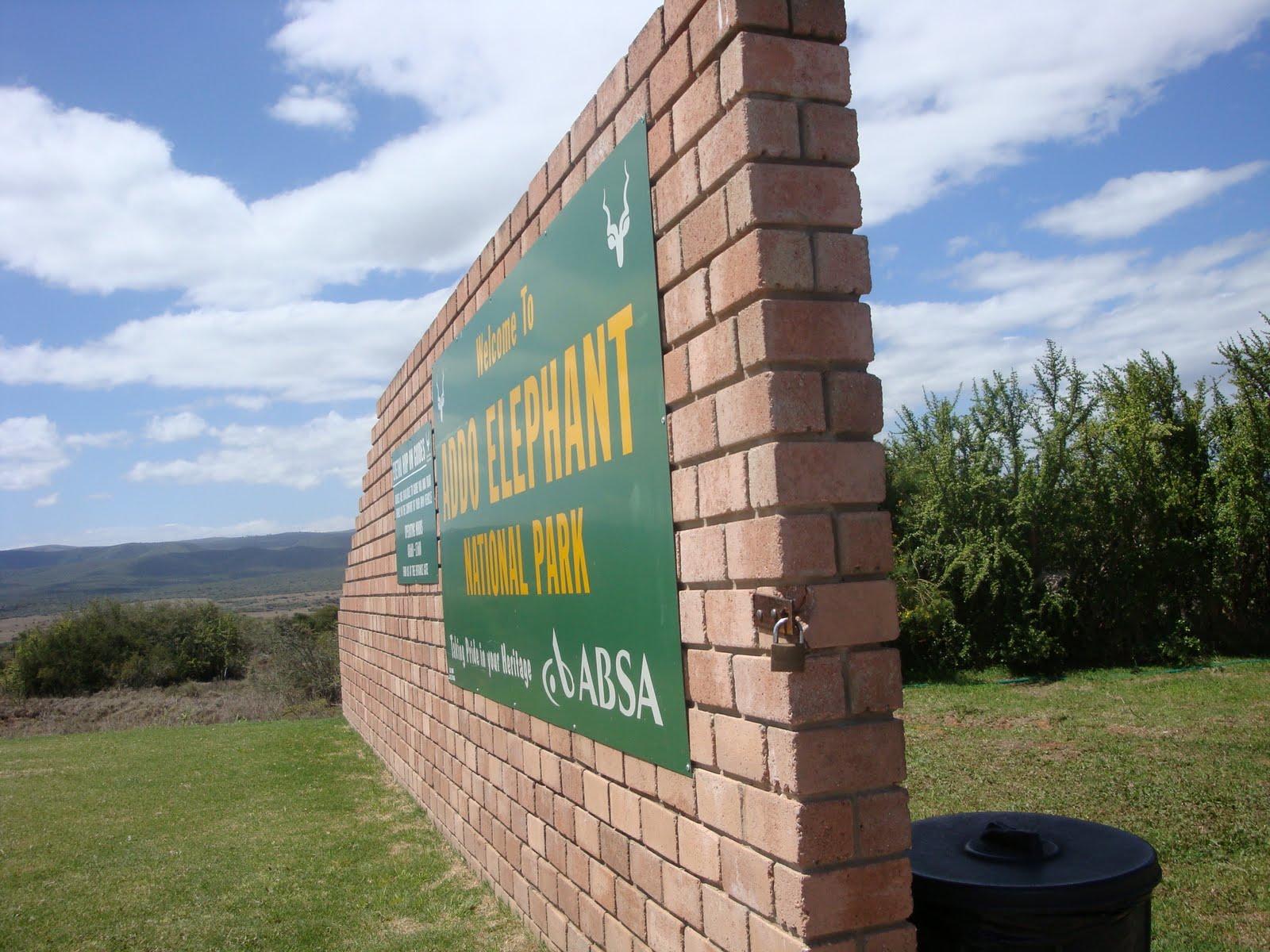
Leaving Plettenberg Bay we went to Addo. In Addo, you begin to smell the earth and dwell into nature. Addo Elephant Park is the main attraction there, its the small village is very close to Port Elizabeth which is a rusty and semi-developed port city. The number of local villagers effected by HIV and AIDS- the stories that you hear will bring you back to harsh realities of real life. 
  • Sightseeing: Addo Elephant Park tour - animals: meerkat, elephant , buffalo
  • Dinner at Lenmore's at Addo.This is the only restaurant there.
  • Hotel: Valleyview Hotel
6th day: Addo/Port Elizabeth

 
The reason why I am writing the list of main animals sighted for these parks is that there is a whole idea of if one has seen the Big 5 in the wild discussion. The Big 5 is the rhino, lion, tiger, buffalo and elephant. Apparently its important to sight them all.

  • Daniel Cheetah Breeding Farm- animals: Lion cubs, cheetah. This place was great as you can cuddle up to lion cubs...
  • Addo Croc and Lion Ranch- animals: crocs, bengal tiger
  • Lunch at Lenmore's. As before, this is the only restaurant available.
  • Private Game reserve-animals: zebra,eland,giraffe,rhino,lions,kudu . There are many private games. Unfortunately, I cannot remember the name of our one ...
7th day: Route back to Plettenberg Bay

  • Tsitsikamma National Park for walking+swim +lunch. This national park is recognized for its trekking routes, beaches, botanics, whale and dolphin watching areas and of course the fish&chips!
  •  Bungee Jumping 217 m -worlds largest along the way. This is another stop on the way, we didn’t jump but watched alot of people instead.
  •  Hotel: Halycon Guest House,Plettenberg Bay. Family run hotel.
  •  Dinner: The Plettenberg Hotel (reservation required, strongly recommended)
  •  Plettenberg bay is ideal for...bodysurfing,paddling at the lagoon.


Cape Town- Tabletop Mountain


Cape Town/Tabletop Mountain II


Camps Bay


Camps Bay II


Camps Bay III

Cape Wineyards